

Singapore’s food and beverage industry is built around variety, creativity and a strong appreciation for dining experiences. From independent cafés and neighbourhood restaurants to international food brands and luxury dining establishments, the market offers consumers an enormous range of choices. For businesses operating in this environment, serving good food is only one part of building a successful brand. Creating awareness, developing a recognisable identity and giving people a reason to talk about the business are equally important.
This is where public relations can make a difference. A well-planned PR strategy helps restaurants and food businesses communicate what makes them distinctive, connect with relevant audiences and build relationships with media and industry influencers. Working with an experienced F&B PR agency in Singapore can help turn a restaurant, product or dining concept into a story that people want to discover.
Why Public Relations Matters in Singapore’s F&B Industry
Singapore has a well-established dining culture, with consumers regularly exploring new restaurants, food concepts and culinary experiences. For restaurant owners and food brands, this creates opportunities but also presents a challenge: how do you stand out when consumers have so many choices?
Traditional advertising can introduce a brand to potential customers, but public relations offers another way to build recognition. Media features, restaurant reviews, chef interviews, product stories and influencer collaborations can introduce a business through conversations that extend beyond its own marketing channels.
More importantly, effective F&B PR goes beyond promoting individual dishes. It communicates the thinking behind the business, including its culinary philosophy, heritage, ingredients, people and approach to hospitality.
A restaurant with a distinctive concept, for example, may have an interesting story about its founder, the inspiration behind its menu or the cultural influences that shape its cooking. These details can provide meaningful material for media engagement and brand storytelling.
Building a Story Around Your Restaurant or Food Brand
Every food business has something that makes it different. The challenge is identifying the right story and communicating it to the right audience.
For some restaurants, the story may be centred on a chef’s experience or a family recipe that has been passed down through generations. For others, it could involve sustainable sourcing, regional ingredients, an innovative dining concept or a fresh approach to familiar dishes.
A food and beverage PR agency helps identify these distinctive elements and develop them into communication angles that are relevant to journalists, publications and consumers.
This process usually begins with understanding the brand’s identity and objectives. The agency then develops key messages, prepares media materials and identifies suitable opportunities for coverage.
Rather than sending out the same promotional message repeatedly, a thoughtful PR strategy gives journalists different reasons to take an interest in the business throughout the year.
Restaurant Openings and New Concept Launches
A restaurant opening is one of the most important opportunities to introduce a new brand to the market. However, simply announcing the opening date may not be enough to generate meaningful attention.
A launch campaign should give people a reason to become interested in the restaurant. This could involve introducing the chef, explaining the inspiration behind the concept, highlighting signature dishes or sharing the story of the people who established the business.
Media previews, tasting sessions and carefully selected influencer visits can also help introduce the restaurant to relevant audiences.
COCO PR Agency has experience supporting F&B launches and integrated communications campaigns. One example is its work with Burger Frites, where the agency invited key opinion leaders and influencers to experience the restaurant. Through targeted media pitching, the campaign also secured coverage in print publications, including The Sunday Times.
This illustrates how media engagement and influencer activity can work together to introduce a food business to different audiences.
Making Menu Launches and New Products Newsworthy
Food brands frequently introduce seasonal menus, new dishes, limited-edition products and collaborations. While these developments are important to the business, not every menu update automatically becomes a media story.
The key is finding a meaningful angle.
A seasonal menu could be connected to a particular ingredient, a culinary tradition or a chef’s creative process. A new product might have an interesting origin story or represent a collaboration between two brands. A restaurant introducing a new dining experience could focus its communication on what makes the concept different.
An experienced F&B PR agency in Singapore can help businesses identify these opportunities and develop relevant press materials, media pitches and campaign ideas.
The objective is not simply to announce that something new is available. It is to explain why the development matters and why the intended audience might find it interesting.
The Role of Influencers and Media Engagement
Influencer marketing has become an important part of food and beverage communications. Restaurant discoveries, dining recommendations and food experiences are regularly shared through social media platforms, giving brands opportunities to reach audiences beyond traditional publications.
However, selecting influencers should involve more than looking at follower numbers.
A food business should consider whether an influencer’s content, audience and communication style are relevant to its positioning. A luxury restaurant, for example, may benefit from working with creators who regularly cover premium dining experiences, while a casual food concept may have different requirements.
Media engagement remains equally important. Journalists and editors can provide editorial perspectives that help introduce a brand to readers through features, interviews and reviews.
The most effective approach often combines traditional media relations with carefully planned influencer engagement, ensuring that the brand reaches audiences through multiple relevant channels.
F&B Events and Experiential Brand Campaigns
Food is naturally connected to experiences, making events an important part of public relations for restaurants and food brands.
A media tasting, chef collaboration, product showcase or exclusive dining event gives guests the opportunity to experience a brand directly. These activities can also create opportunities for photography, interviews, social media coverage and future editorial stories.
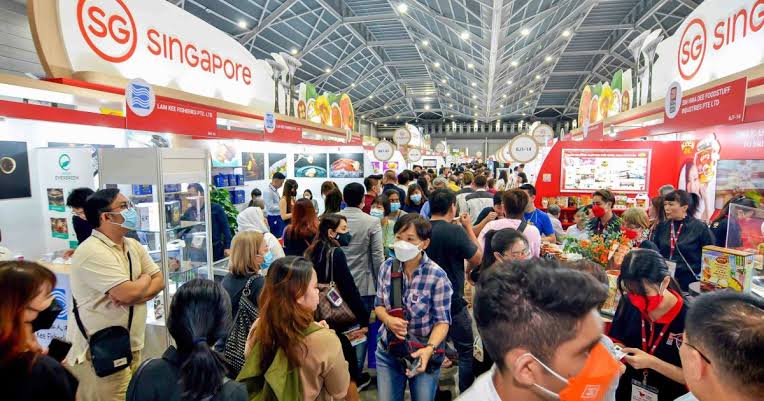
For larger industry events, communications planning becomes even more important. COCO PR Agency’s work with Food & Hotel Asia (FHA) is an example of integrated event and media support. Its responsibilities included developing press materials, preparing targeted media lists, coordinating interviews, managing media RSVPs and engaging key opinion leaders.
Such campaigns demonstrate how public relations can support an event before, during and after it takes place, helping extend its visibility beyond the physical venue.
Choosing the Right PR Partner for Your F&B Business
Not every PR agency understands the specific requirements of the food and beverage industry. Restaurants and food brands need a communications partner that appreciates the importance of culinary storytelling, understands the media landscape and can identify opportunities that suit their positioning.
When evaluating an agency, consider its experience with restaurant launches, food brands, media relations, influencer engagement and event communications. It is also worth understanding how the team develops campaign ideas and measures progress.
COCO PR Agency works with businesses across several industries, including food and beverage, hospitality, lifestyle and luxury. Its services combine media relations, campaign development, influencer engagement, event management and creative production.
Through its sister brand, COCO Creative Studio, the agency also provides photography and videography support, which can be useful for food brands that need professional visual content for launches and campaigns.
Building Long-Term Recognition for Your Food Brand
Successful F&B public relations is rarely about a single press release or one influencer visit. It involves developing a consistent story and identifying opportunities to communicate that story over time.
A restaurant may begin with a launch campaign, followed by chef profiles, seasonal menu announcements, collaborations and special dining experiences. A packaged food brand might focus on product development, ingredients, founder stories and distribution milestones.
Each activity can contribute to a stronger and more recognisable brand identity when supported by a clear communications strategy.
For restaurants, hospitality businesses and emerging food brands looking to strengthen their presence in Singapore, the right PR approach can help turn everyday business developments into opportunities for meaningful engagement.
At COCO PR Agency, the focus is on understanding what makes each brand distinctive and developing communications strategies that bring those stories to the attention of relevant audiences.
Whether you are preparing to open a restaurant, introducing a new food concept or expanding an established F&B brand, a considered public relations strategy can help people discover not just what you serve, but the story behind it.